

The stock market has helped millions of people build wealth, save for retirement, and achieve long-term financial goals.
Yet many beginners still see investing as something complicated, risky, or reserved for financial experts.
The reality is much simpler.
Understanding how the stock market works is not about becoming a professional trader or spending all day watching stock prices. It is about learning how businesses raise money, how investors participate in that growth, and how ordinary people can use investing as a tool to build wealth over time.
Whether your goal is financial freedom, retirement planning, generating passive income, or simply making your money work harder, understanding the stock market is one of the most valuable financial skills you can develop.
If you’re completely new to investing, consider starting with our Start Here page and our Beginner Investing Starter Kit, which provide a roadmap for learning investing step by step.
You may also want to read our pillar guide:
How to Start Investing in 2026: 9 Smart & Powerful Steps to Build Wealth Fast
This article builds upon those fundamentals by explaining exactly how the stock market functions behind the scenes.
Before investing your first dollar, it’s important to understand how the stock market works and why millions of investors use it to build long-term wealth. The better you understand how the stock market works, the more confident you’ll feel when making investment decisions.
Table of Contents
What is the Stock Market?
The stock market is a marketplace where investors buy and sell ownership shares in publicly traded companies.
When you buy a stock, you become a partial owner of that company.
Imagine a company is like a giant pizza.
If that pizza is divided into one million slices, each slice represents a share.
Buying one share means owning a tiny piece of that business.
If the company becomes more valuable over time, the value of your share may increase as well.
This simple concept is the foundation of stock market investing.
Some of the largest publicly traded companies in the world include:
- Apple
- Microsoft
- Amazon
- Alphabet (Google)
- Nvidia
- Meta Platforms
Millions of investors own shares of these businesses either directly or through ETFs and mutual funds.
The stock market connects these investors with companies seeking capital.
Why Does the Stock Market Exist?
Many beginners believe the stock market exists primarily so investors can make money.
While investing is certainly part of the equation, the original purpose of the stock market is to help businesses raise capital.
Growing companies need money to:
- Develop new products
- Hire employees
- Build facilities
- Expand internationally
- Invest in research and development
Rather than borrowing all that money from banks, companies can sell ownership shares to investors.
This creates a mutually beneficial relationship:
Companies Receive
- Growth capital
- Access to investors
- Increased visibility
Investors Receive
- Ownership
- Potential growth
- Potential dividends
Without stock markets, many of today’s largest companies would have struggled to achieve their current scale.
How the Stock Market Works Step by Step
One of the easiest ways to understand how the stock market works is to follow the journey of a company and an investor from start to finish.
Many beginners hear terms like “stocks,” “exchanges,” and “brokers” but never fully understand how everything fits together.
Let’s simplify the process.
Step 1: A Company Decides to Raise Money
Imagine a technology company wants to expand.
The company needs billions of dollars to develop products and hire talent.
One option is borrowing money.
Another option is selling shares to investors.
Many companies choose the second option.
Step 2: The Company Goes Public
The company launches an Initial Public Offering (IPO).
An IPO is the process through which a private company sells shares to public investors for the first time.
This is known as entering the primary market.
The money raised goes directly to the company.
Step 3: Shares Begin Trading
After the IPO, shares become available on public stock exchanges.
This is where the secondary market begins.
Investors now buy and sell shares among themselves.
The company does not receive money from every future transaction.
Instead, investors trade ownership with each other.
Step 4: Buyers and Sellers Meet
Every stock transaction requires:
- A buyer
- A seller
When buyers and sellers agree on a price, a trade occurs.
Modern technology allows this process to happen almost instantly.
Millions of transactions occur daily across global markets.
Step 5: Stock Prices Continuously Change
Prices move based on supply and demand.
When more investors want to buy than sell:
Prices rise.
When more investors want to sell than buy:
Prices fall.
This constant interaction creates the stock prices you see throughout the day.

FREE FIRST PORTFOLIO BLUEPRINT
No spam.
What Happens When You Buy a Stock?
One of the most common beginner questions is:
“What actually happens when I click the Buy button?”
Let’s walk through the process.
Understanding what happens behind the scenes when you place an order is an important part of learning how the stock market works.
Step 1: Open a Brokerage Account
Before investing, you need a brokerage account.
A broker acts as the middleman between you and the stock market.
Popular brokers provide access to thousands of stocks and ETFs.
Before opening an account, it can be helpful to review guidance from trusted organizations such as the SEC and FINRA regarding investor protection and brokerage selection.
Step 2: Deposit Funds
You transfer money into your brokerage account.
This becomes your investment capital.
Step 3: Select a Stock
You choose a company you wish to invest in.
For example:
You decide to purchase shares of Microsoft.
Step 4: Submit Your Order
You enter:
- Number of shares
- Order type
- Purchase conditions
Then you click Buy.
Step 5: Your Broker Sends the Order
The broker sends your order to the market.
Advanced systems search for a matching seller.
Step 6: The Trade Is Executed
Once a seller is found at an acceptable price:
The trade is completed.
Step 7: You Become a Shareholder
The shares appear in your account.
You officially own a piece of the company.
Even though the process takes only seconds, sophisticated technology is coordinating thousands of transactions behind the scenes.
Beginners can learn more about investor protection and brokerage accounts through SEC Investor.gov and FINRA’s investor education resources.
SEC Investor.govFINRA Investor Education
Understanding Stock Exchanges
A stock exchange is the marketplace where stocks are traded.
Think of it as a highly organized meeting place for buyers and sellers.
Without exchanges, trading would be chaotic.
Exchanges provide:
- Transparency
- Liquidity
- Regulation
- Price discovery
The largest exchanges include:
New York Stock Exchange (NYSE)
The NYSE is the largest stock exchange in the world by market capitalization.
Many established blue-chip companies trade here.
NASDAQ
NASDAQ is heavily associated with technology companies.
Many of the world’s most innovative businesses trade on this exchange.
Examples include:
- Apple
- Microsoft
- Nvidia
- Amazon
London Stock Exchange
One of Europe’s most important financial centers.
Tokyo Stock Exchange
Japan’s largest stock exchange and one of the largest globally.

Who Participates in the Stock Market?
The stock market involves much more than individual investors.
Several participants help keep markets functioning efficiently.
Retail Investors
Ordinary people investing through brokerage accounts.
This includes most InvestSmartEdge readers.
Institutional Investors
Organizations managing large amounts of money.
Examples include:
- Pension funds
- Insurance companies
- Mutual funds
- ETF providers
Market Makers
Market makers help maintain liquidity.
They facilitate trading by continuously buying and selling securities.
Public Companies
Businesses raising capital and providing investment opportunities.
Regulators
Regulatory bodies help protect investors and maintain market integrity.
These organizations establish rules designed to ensure fair and transparent markets.
By understanding these participants, beginners gain a clearer picture of how the entire financial ecosystem operates.
In the next section, we’ll explore one of the most important concepts in investing:
What makes stock prices go up and down?
One of the biggest misconceptions among beginner investors is believing that stock prices move randomly.
While short-term movements can sometimes seem unpredictable, stock prices generally move because of one simple force:
Supply and demand.
When more investors want to buy a stock than sell it, the price rises.
When more investors want to sell than buy it, the price falls.
However, what causes investors to buy or sell in the first place?
Several important factors influence stock prices.
Company Earnings
A company’s earnings report is one of the most influential drivers of stock prices.
If a company reports stronger-than-expected profits, investors may become more optimistic about its future, increasing demand for the stock.
For example:
If a company was expected to earn $1 billion but reports $1.5 billion, investors may view the business as stronger than anticipated.
As demand increases, the stock price often rises.
Conversely, disappointing earnings can lead to price declines.
Economic Conditions
The overall economy plays a major role in stock market performance.
Investors closely monitor:
- Inflation
- Interest rates
- Employment data
- Consumer spending
- Economic growth
When the economy is healthy, businesses often generate more revenue and profits.
This can create favorable conditions for stock market growth.
For beginner investors, understanding personal finance fundamentals can provide a stronger foundation for making informed investment decisions.
Interest Rates
Interest rates deserve special attention because they influence nearly every financial market.
When interest rates rise:
- Borrowing becomes more expensive
- Business growth may slow
- Consumer spending can decrease
When interest rates fall:
- Borrowing becomes cheaper
- Economic activity may increase
- Investors often become more willing to buy stocks
Many investors closely follow policy decisions from central banks because they can significantly influence market sentiment.
Investor Psychology
The stock market is driven not only by numbers but also by human emotions.
Fear and greed frequently influence investment decisions.
During periods of optimism:
Investors become more willing to buy.
During periods of uncertainty:
Investors often sell.
This emotional behavior can sometimes push stock prices higher or lower than a company’s actual value.
This is one reason why developing a strong investing mindset is critical.
Understanding investor psychology can help you avoid costly emotional decisions.
Global Events
Markets also react to major world events.
Examples include:
- Elections
- Geopolitical conflicts
- Technological breakthroughs
- Supply chain disruptions
- Natural disasters
- Global economic crises
These events can affect industries, businesses, and investor confidence.
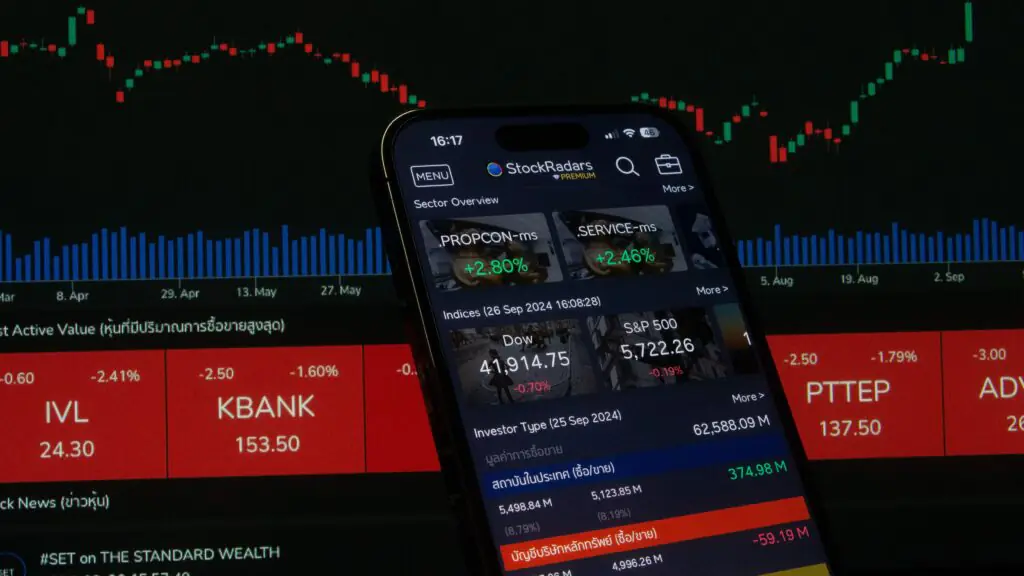
Market Capitalization Explained
One of the most important investing concepts beginners should understand is market capitalization.
Fortunately, it’s much simpler than it sounds.
Market capitalization represents the total value of a company’s publicly traded shares.
The formula is:
Market Capitalization = Share Price × Total Shares Outstanding
For example:
If a company has:
- 1 billion shares
- Share price of $100
Its market capitalization equals:
$100 billion
Market capitalization helps investors understand the relative size of a company.
Large-Cap Stocks
Large-cap companies generally have market capitalizations above $10 billion.
Examples include:
- Apple
- Microsoft
- Amazon
- Nvidia
Large-cap companies are often:
- More established
- Financially stronger
- Less volatile
Many beginner investors start with large-cap companies because of their stability.
Mid-Cap Stocks
Mid-cap companies typically have market capitalizations between $2 billion and $10 billion.
These businesses often offer:
- Growth potential
- Moderate risk
- Expansion opportunities
Many investors view mid-caps as a balance between growth and stability.
Small-Cap Stocks
Small-cap companies usually have market capitalizations below $2 billion.
They often provide:
- Higher growth potential
- Greater volatility
- Increased risk
While some small-cap companies become future market leaders, others struggle or fail.
This makes diversification particularly important.

Types of Stocks Every Beginner Should Know
Not all stocks are the same.
Understanding different stock categories can help you build a more informed investment strategy.
Growth Stocks
Growth companies focus on expanding rapidly.
Instead of distributing profits to shareholders, they often reinvest earnings into future growth.
Examples historically include:
- Amazon
- Nvidia
- Tesla
Investors buy growth stocks expecting future appreciation.
Dividend Stocks
Dividend stocks distribute a portion of company profits to shareholders.
These stocks are popular among investors seeking:
- Passive income
- Long-term stability
- Portfolio diversification
Many established companies pay regular dividends.
For income-focused investors, dividend stocks can become an important component of a long-term strategy.
Value Stocks
Value stocks trade at prices that investors believe are below their intrinsic value.
These companies may be temporarily overlooked by the market.
Value investors seek opportunities where they believe future appreciation potential exists.
Blue-Chip Stocks
Blue-chip stocks are shares of large, financially strong companies with long histories of stability.
Characteristics often include:
- Strong earnings
- Established brands
- Consistent performance
Many beginner investors feel more comfortable starting with blue-chip companies.
International Stocks
Investors are not limited to domestic companies.
International stocks provide exposure to businesses operating in different regions and economies around the world.
This can improve diversification.
Bull Market vs Bear Market
Sooner or later, every investor hears these two terms.
Understanding them is essential.
What Is a Bull Market?
A bull market refers to a prolonged period when stock prices generally rise.
Bull markets are often associated with:
- Economic growth
- Strong corporate earnings
- Investor optimism
During bull markets, investors typically feel confident and willing to take risks.
Historically, bull markets have lasted much longer than bear markets.
What Is a Bear Market?
A bear market occurs when stock prices decline significantly over an extended period.
Bear markets are often associated with:
- Economic slowdowns
- Recessions
- Investor fear
- Market uncertainty
While bear markets can feel uncomfortable, they are a normal part of investing.
Every major bear market in history has eventually been followed by recovery.
Why Beginners Shouldn’t Fear Bear Markets
Many new investors panic when markets decline.
However, experienced long-term investors often view market downturns differently.
Lower prices can create opportunities to purchase quality investments at more attractive valuations.
The key is maintaining a long-term perspective.
This concept becomes especially important when learning about portfolio diversification and long-term investing strategies.

Historical Performance of the Stock Market
Looking at history can help investors better understand how the stock market works during periods of economic growth, recession, uncertainty, and recovery.
One reason investors continue using the stock market to build wealth is its long-term track record.
While past performance never guarantees future results, history provides valuable perspective.
Over long periods, diversified stock market investments have generally produced positive returns despite recessions, crashes, inflation, wars, and economic uncertainty.
The market has experienced numerous challenges including:
- The Great Depression
- Oil crises
- The Dot-Com Crash
- The Global Financial Crisis
- The COVID-19 pandemic
Yet despite these setbacks, markets have repeatedly recovered and reached new highs over time.
This is one reason many financial educators encourage long-term investing rather than trying to predict short-term market movements.
The Power of Time in the Market
Many beginners focus on finding the perfect moment to invest.
In reality, long-term success often comes from:
- Consistent investing
- Diversification
- Patience
- Staying invested
As the saying goes:
“Time in the market is often more important than timing the market.”
This philosophy aligns closely with the long-term investing approach promoted throughout InvestSmartEdge.
How Investors Make Money in the Stock Market
Ultimately, investors participate in the stock market for one primary reason:
To grow their wealth.
There are two main ways this happens.
Capital Appreciation
Capital appreciation occurs when the value of your investment increases.
Example:
You purchase a stock for $100.
Several years later it is worth $150.
Your investment has appreciated by $50 per share.
This is one of the most common ways investors build wealth.
Dividend Income
Some companies share a portion of profits with shareholders through dividends.
These payments may be distributed:
- Quarterly
- Semi-annually
- Annually
Dividend investing can create a growing stream of passive income over time.
Many investors choose to reinvest dividends, allowing compounding to accelerate portfolio growth.
Combining Growth and Income
Many successful long-term investors seek a combination of:
- Capital appreciation
- Dividend income
This balanced approach can help support both wealth accumulation and financial stability.
In the next section, we’ll explore one of the most important innovations in modern investing:
Exchange-Traded Funds (ETFs).
We’ll explain why ETFs have transformed investing, why many experts consider them ideal for beginners, and how they can help investors achieve diversification with a single purchase..
How ETFs Changed Investing Forever
Many investors first learn how the stock market works through ETFs because they provide simple exposure to hundreds of companies in a single investment.
For decades, investing was often viewed as something complicated and expensive.
Many investors believed they needed to:
- Pick winning stocks
- Constantly monitor markets
- Conduct extensive research
- Build large portfolios manually
Then came one of the most important innovations in investing history:
Exchange-Traded Funds (ETFs).
ETFs transformed investing by making diversification accessible, affordable, and simple.
Today, millions of investors use ETFs as the foundation of their portfolios.
What Is an ETF?
An ETF (Exchange-Traded Fund) is a basket of investments packaged into a single security.
Instead of buying one company, an investor can buy hundreds or even thousands of companies through a single ETF.
For example:
An S&P 500 ETF gives exposure to many of the largest publicly traded companies in the United States.
This means one purchase can provide broad market diversification.
Why ETFs Are Popular With Beginners
ETFs offer several advantages:
Instant Diversification
Instead of relying on one company, investors spread risk across many businesses.
Lower Risk
While all investments involve risk, diversified ETFs often reduce company-specific risk.
Simplicity
Investors don’t need to analyze hundreds of individual stocks.
Low Costs
Many ETFs have relatively low management fees.
Why Many Long-Term Investors Prefer ETFs
Even professional investors frequently struggle to consistently outperform major market indexes.
For this reason, many long-term investors choose low-cost index ETFs as their primary investment vehicle.
This approach emphasizes:
- Simplicity
- Diversification
- Consistency
- Long-term wealth building
If you’re new to investing read our article:
How to Start Investing in 2026: 9 Smart & Powerful Steps to Build Wealth Fast
provides a practical framework for getting started.

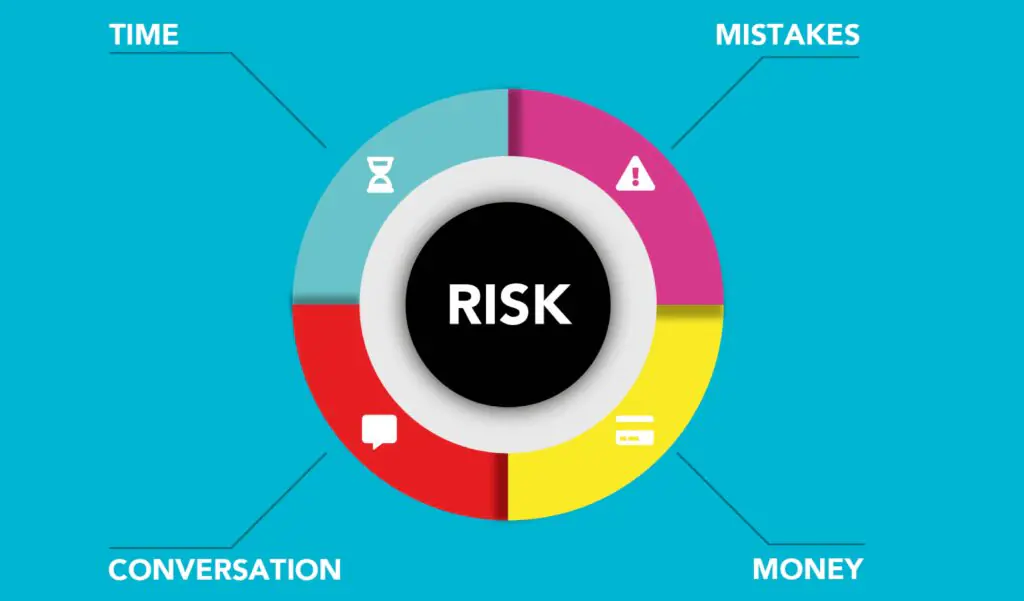
Risks Every Beginner Investor Should Understand
While investing offers tremendous opportunities, it is important to understand that no investment is completely risk-free.
Successful investors focus on managing risk rather than eliminating it.
Market Risk
Entire markets can decline.
Even strong companies can experience temporary losses during market downturns.
This is a normal part of investing.
Company Risk
Individual companies can underperform.
Poor management decisions, competitive pressures, or economic challenges may negatively impact results.
This is one reason diversification is so important.
Inflation Risk
Inflation reduces purchasing power over time.
Investors often use stocks and ETFs as part of a strategy to outpace inflation over the long term.
Resources from organizations such as the Federal Reserve, IMF, and World Bank can help investors understand broader economic trends.
Emotional Risk
One of the most overlooked investing risks is emotional decision-making.
Fear often causes investors to sell during market declines.
Greed often causes investors to buy after prices have already risen significantly.
Developing discipline and maintaining a long-term perspective can help reduce these mistakes.
Common Investing Mistakes Beginners Should Avoid
Most investing mistakes are not caused by lack of intelligence.
They are usually caused by emotions, impatience, or misunderstanding how markets work.
Trying to Get Rich Quickly
Many beginners enter the market expecting rapid wealth creation.
Successful investing typically requires:
- Patience
- Consistency
- Long-term thinking
The stock market is a wealth-building tool, not a get-rich-quick scheme.
Investing Without a Plan
Investors should clearly define:
- Goals
- Time horizon
- Risk tolerance
Without a plan, emotions often drive decisions.
Lack of Diversification
Concentrating all investments in one company creates unnecessary risk.
Diversification helps reduce the impact of any single investment performing poorly.
For a deeper understanding, read:
Portfolio Diversification for Beginners
Panic Selling During Market Declines
Market declines are inevitable.
Selling during periods of fear often locks in losses.
Long-term investors generally focus on fundamentals rather than short-term market fluctuations.
Ignoring Education
Investing is a lifelong learning process.
The more you understand markets, businesses, risk, and investor psychology, the better equipped you’ll be to make informed decisions.
This is precisely why educational resources like InvestSmartEdge exist.
Best Investing Tools for Beginners
While knowledge remains the most important investing tool, modern platforms can help investors make more informed decisions.
TradingView
TradingView is one of the most popular charting platforms in the world.
Features include:
- Interactive charts
- Watchlists
- Alerts
- Market data
- Educational community
It is suitable for both beginners and experienced investors.
Finviz
Finviz provides powerful stock screening capabilities.
Investors can filter stocks based on:
- Valuation metrics
- Growth rates
- Market capitalization
- Performance indicators
This makes it easier to discover potential investment opportunities.
TrendSpider
TrendSpider automates many aspects of technical analysis.
Features include:
- Automated trendlines
- Pattern recognition
- Market scanning
- Strategy testing
For investors interested in chart analysis, TrendSpider can significantly reduce research time.
Frequently Asked Questions
START BUILDING WEALTH WITH CONFIDENCE
No spam.
Final Thoughts
Understanding how the stock market works is one of the most important financial skills you can develop.
Although the market may initially seem complex, its foundation is remarkably simple:
Businesses seek capital.
Investors seek growth opportunities.
The stock market connects the two.
By learning how stocks, exchanges, investors, ETFs, and market forces interact, you’ll be far better prepared to make informed financial decisions.
Now that you understand how the stock market works, you’re in a much stronger position than most beginners who start investing without learning the fundamentals first.
Remember:
Successful investing is not about predicting tomorrow’s stock prices.
It is about building a disciplined strategy, staying invested for the long term, continuing your education, and allowing time to work in your favor.
The sooner you begin learning, the sooner you can start building the knowledge that supports long-term wealth creation.
Continue Your Investing Journey
New to investing?
Start with these resources:
➡ Beginner Investing Starter Kit
➡ How to Start Investing in 2026: 9 Smart & Powerful Steps to Build Wealth Fast
➡ How to Build a Strong Investment Mindset Before You Start
➡ Portfolio Diversification for Beginners
➡ How to Make Your First Investment
The more connected your investing knowledge becomes, the more confident you’ll feel making financial decisions.
Author Disclaimer
Invest Smart Edge provides educational content for informational purposes only and does not provide investment, legal, tax, or financial advice.
Always conduct your own research and consider consulting a qualified financial professional before making investment decisions.