From $0 to Your First $1,000 Invested: A Complete Beginner’s Guide

Investing can feel overwhelming when you’re just starting out. Between confusing jargon, conflicting advice, and the fear of losing money, many beginners never take the first step. But here’s the truth: you don’t need to be a Wall Street expert to build wealth. You just need a simple plan and the discipline to follow it.
In this guide, we’ll walk you through exactly how to go from $0 to your first $1,000 invested — no finance degree required. Whether you’re in the USA, Canada, UK, Australia, Europe, or Brazil, these principles work everywhere.
Why $1,000 Is the Perfect Starting Point
Many people think they need tens of thousands of dollars to start investing. That’s a myth that keeps people on the sidelines for years.
Here’s why $1,000 is ideal for beginners:
- It’s enough to buy multiple investments and start diversifying
- It teaches you the mechanics without risking life-changing money
- It builds the habit of investing regularly
- Compound interest starts working immediately
Smart Investment Tip: The best time to start investing was yesterday. The second best time is today. Even $100 gets you in the game.
Step 1: Choose Your Investment Account

Before you buy a single stock, you need somewhere to put your money. Your options depend on your location and goals.
For US Residents
- 401(k): If your employer offers matching contributions, start here. It’s free money.
- IRA/Roth IRA: Tax-advantaged retirement accounts. Great for long-term investing.
- Taxable Brokerage: Flexibility to withdraw anytime. Good for goals before retirement.
For International Investors (UK, Canada, Australia, Europe, Brazil)
- UK: Stocks and Shares ISA, SIPP
- Canada: TFSA, RRSP
- Australia: Superannuation, managed funds
- Europe & Brazil: Check local tax-advantaged accounts
Pro Tip: Use TradingView to research brokerages and compare features before opening an account. It’s the most popular charting platform used by millions of investors worldwide.
Step 2: Understand What You’re Buying
Don’t put money into anything you don’t understand. Here are the most common beginner investments:
Index Funds & ETFs
These are collections of hundreds or thousands of stocks in one package. Instead of betting on one company, you own a slice of the entire market.
Why beginners love them:
- Instant diversification
- Low fees
- Built for long-term growth
- You don’t need to pick winners
Individual Stocks
Buying shares of specific companies like Apple, Tesla, or NVIDIA. Higher risk, higher potential reward.
Before buying individual stocks:
- Research the company’s financials
- Understand their business model
- Use tools like Finviz to screen and analyze stocks
- Never invest money you can’t afford to lose
Bonds
Loans you give to governments or companies. Lower returns than stocks but more stable. Good for balancing risk.
Cryptocurrency
Digital assets like Bitcoin and Ethereum. Extremely volatile — only invest what you’re willing to lose completely.
Step 3: Build Your First Portfolio
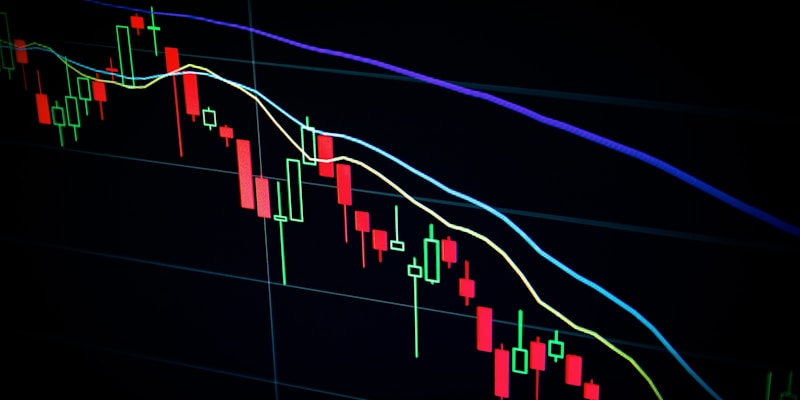
With $1,000, here’s a simple allocation that balances growth and safety:
| Investment Type | Allocation | Amount | Purpose |
|---|---|---|---|
| S&P 500 ETF | 40% | $400 | Core growth, tracks 500 largest US companies |
| International ETF | 20% | $200 | Geographic diversification |
| Individual Stocks | 20% | $200 | Higher growth potential |
| Bonds ETF | 15% | $150 | Stability and income |
| Crypto (optional) | 5% | $50 | Speculation, high risk/reward |
Why this works:
- 60% in broad market ETFs = steady growth with low risk
- 20% in individual stocks = learning opportunity without overexposure
- 15% bonds = cushion during stock market drops
- 5% crypto (if interested) = small gamble that won’t break you
Research Tip: Use TrendSpider to analyze charts, set alerts, and time your entries when building your positions. It’s a professional-grade technical analysis platform.
Step 4: Avoid These Common Beginner Mistakes
Mistake #1: Timing the Market
Everyone wants to buy low and sell high. The problem? You can’t predict the future. Studies show that time in the market beats timing the market.
Instead: Set up automatic monthly investments. When prices drop, you buy more shares. When prices rise, you buy fewer. It’s called dollar-cost averaging, and it removes emotion from investing.
Mistake #2: Putting All Eggs in One Basket
You’ve heard about someone who made millions on Bitcoin or a single stock. What you don’t hear: thousands who lost everything betting on one thing.
The fix: Never put more than 10% of your portfolio in any single investment. Diversification is your safety net.
Mistake #3: Checking Your Portfolio Daily
Markets fluctuate constantly. Daily price swings don’t matter if you’re investing for 10+ years.
Set it and forget it: Check quarterly, not daily. Focus on the trend, not the noise.
Mistake #4: Not Having an Emergency Fund
Before investing a penny, you need 3-6 months of expenses in a savings account. Why? If you lose your job and the market crashes simultaneously, you don’t want to sell investments at a loss to pay rent.
Mistake #5: Paying High Fees
A 2% annual fee sounds small, but over 30 years, it can cost you hundreds of thousands in compound growth.
Look for:
- ETFs with expense ratios under 0.20%
- Commission-free trading (now standard at most brokerages)
- No hidden account fees
Step 5: Make Your First Purchase
Ready to pull the trigger? Here’s how:
- Fund your account (transfer $1,000 from your bank)
- Choose your first investment (start with a broad market ETF)
- Enter the order (use “market order” for beginners)
- Confirm the purchase (double-check ticker symbols)
- Set up auto-invest (schedule monthly contributions)
Congratulations — you’re now an investor!
The Power of Starting Small
Let’s see what happens if you invest just $100 per month after that initial $1,000:
| After… | With 7% Annual Return | With 10% Annual Return |
|---|---|---|
| 5 years | $8,300 | $9,200 |
| 10 years | $19,700 | $22,600 |
| 20 years | $56,000 | $73,000 |
| 30 years | $131,000 | $208,000 |
The lesson: Small amounts, invested consistently, create life-changing wealth. Your first $1,000 is just the beginning.
Frequently Asked Questions
Can I lose money investing $1,000?
Yes — and you probably will see red numbers sometimes. Markets go down. But over 5+ years, diversified investors almost always make money. The key is not panicking and selling at the bottom.
Should I pay off debt first?
High-interest debt (credit cards, payday loans) should be paid off first. The interest you pay (20%+) is higher than expected investment returns (7-10%).
Low-interest debt (mortgage, student loans under 5%) can be paid while investing.
What if I don’t have $1,000?
Start with $100. Many brokerages let you buy fractional shares now. The habit matters more than the amount in the beginning.
How do I know when to sell?
- Rebalancing: Sell winners to buy losers, maintaining your original allocation
- Life changes: Need the money for a house, emergency, or retirement
- Thesis broken: The reason you bought no longer applies
Don’t sell because: The market dropped, your friend sold, or you’re bored.
Ready to Invest Smart?

Starting your investment journey doesn’t require perfection — it requires action. Your first $1,000 won’t make you rich overnight, but it will:
- Teach you how markets work
- Build the habit of regular investing
- Put compound interest to work
- Give you confidence for bigger investments
Invest smart by starting simple. You can always adjust your strategy as you learn more. But you can’t benefit from investments you never make.
Recommended Tools for Beginners
Make smarter investment decisions with professional-grade tools:
📊 Chart Analysis
TradingView — The most popular charting platform for technical analysis and market research. Used by millions of traders and investors worldwide.
🔍 Stock Screener
Finviz — Powerful stock screening to find investment opportunities based on fundamentals and technicals. Perfect for discovering your next investment.
📈 Technical Analysis
TrendSpider — Automated technical analysis with dynamic price alerts and multi-timeframe analysis. Take your chart analysis to the next level.
Related Articles
- Long-Term Investment Strategies for Beginners — Learn how to build wealth over decades
- Warren Buffett Called Gold a Do-Nothing Asset — See what happened to gold investors
- Why is Workday (WDAY) One of the Most Promising Future Stocks to Buy Now? — Deep dive into stock analysis
Disclaimer: This article is for educational purposes only and does not constitute financial advice. Always do your own research and consider consulting a financial advisor before making investment decisions.
Last updated: February 23, 2026